Conditions such as Parkinson’s, Alzheimer’s, and Multiple Sclerosis may look different on the surface, but they share a common thread: the brain’s energy systems decline.
Neurons are incredibly active cells. They rely on a constant supply of energy to communicate, regulate movement, and maintain balance. When that energy supply is compromised, these cells become vulnerable.
At Mitogenesis, our protocols focus on three critical contributors to neurodegeneration.


Integrative Parkinson’s Care in Scottsdale
At Mitogenesis in Scottsdale, AZ, we understand that a Parkinson’s diagnosis can feel overwhelming not only for the person experiencing symptoms, but for the entire family. Questions about the future, independence, and quality of life often come quickly. Our goal is to meet you in that moment with clarity, compassion, and a thoughtful plan.
Under the guidance of Mel Schottenstein, NMD, MBE, MScN, FICT, FSCT, our team takes a careful, personalized approach to supporting individuals living with Parkinson’s disease. We combine advanced medical technologies with biological and lifestyle-based therapies designed to protect neurological function and help you maintain the highest possible quality of life.
What is Behind Neuron Decline in Parkinson’s Disease
Mitochondrial Dysfunction
Mitochondria are often described as the “power plants” of the cell. In Parkinson’s disease, they may not produce enough ATP, the energy neurons need to function. Without sufficient energy, dopaminergic neurons in particular begin to lose resilience.
Our therapies aim to support mitochondrial efficiency so neurons have the resources they need to stay active and protected.
Oxidative Stress
Every day, metabolism produces free radicals. Normally, the body keeps them in balance. In Parkinson’s, however, oxidative stress can overwhelm protective systems, leading to damage of cellular structures and DNA.
By reducing oxidative burden, we help create an environment that is less hostile to delicate brain tissue.
Chronic Neuroinflammation
Inflammation is meant to protect, but when it becomes chronic in the brain, it can do the opposite, damaging healthy tissue and interfering with repair.
Our goal is to calm this overactive response while supporting the body’s natural regulatory mechanisms.
Together, these strategies address not just symptoms, but the biological processes contributing to neuronal decline.
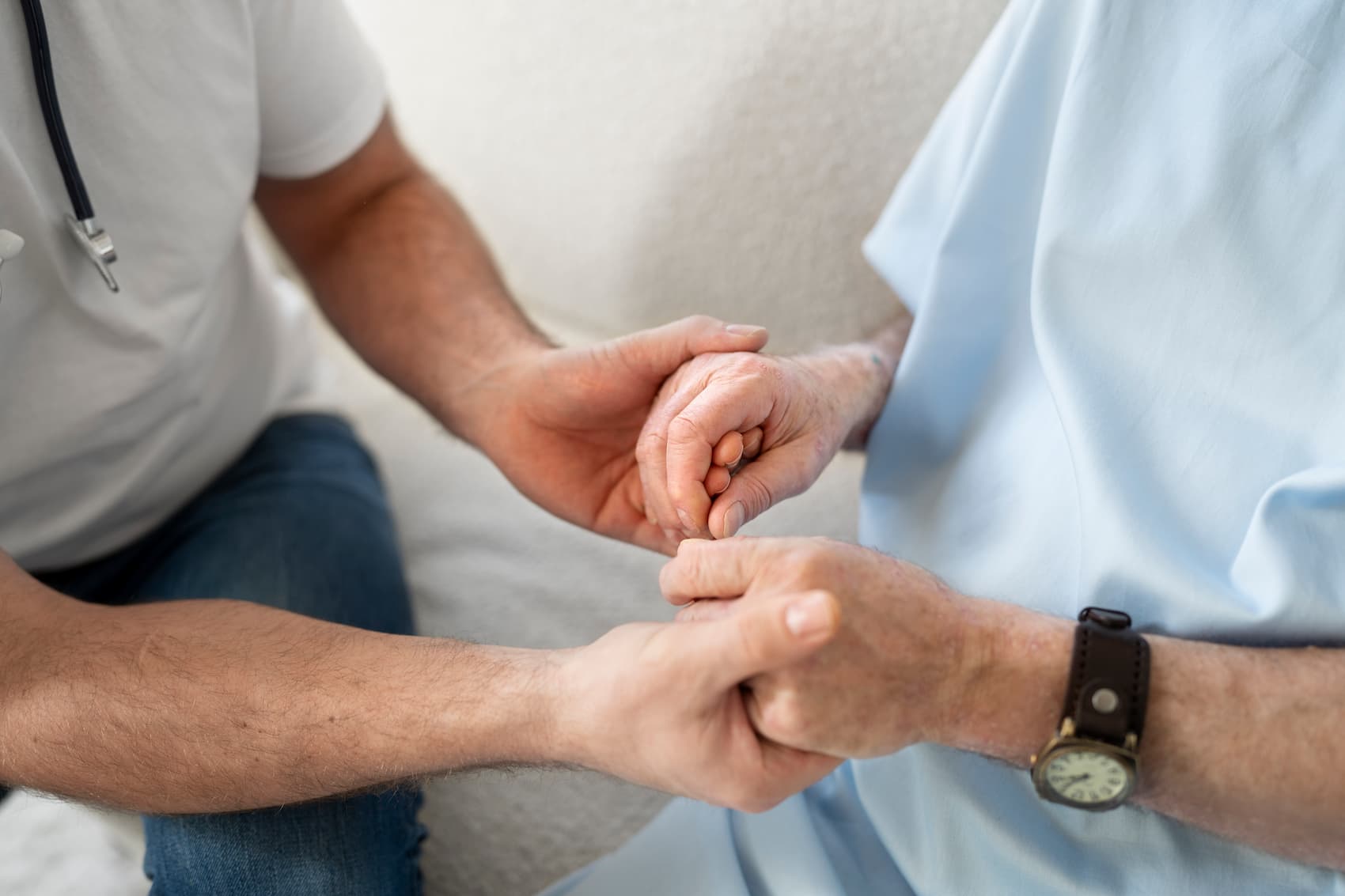
What Differentiates Parkinson’s Disease from Other Neurological Conditions?
Parkinson’s disease primarily involves the degeneration of dopamine-producing neurons in a part of the brain called the substantia nigra. Dopamine plays a central role in movement, coordination, and motivation.
As dopamine levels decrease, individuals may notice tremors, stiffness, or slower movements. But Parkinson’s is more than a movement disorder. It can also influence sleep, digestion, mood, and cognitive clarity.
Our approach focuses on protecting the remaining healthy neurons and helping the brain use available dopamine more efficiently by supporting mitochondrial pathways and lowering oxidative stress.
Early Signs You Shouldn’t Ignore
Many early Parkinson’s symptoms are subtle and easy to dismiss. Recognizing them early allows for earlier intervention and support. If you see any of these signs, please reach out to our Scottsdale integrative medicine clinic.
Some early changes people notice include:
- A slight tremor in the hand or fingers
- Smaller handwriting than usual
- Feeling slower or less fluid in movement
- Stiffness that doesn’t seem related to injury
- Reduced facial expression
- Changes in voice volume
- Trouble sleeping or vivid dreams
- Loss of sense of smell
- Persistent fatigue
- A general sense that movements require more effort
These changes can appear gradually, which is why paying attention and seeking evaluation matters.
Why Early Care Can Make a Difference
By the time Parkinson’s is formally diagnosed, many affected neurons have already been under stress for years. Early care allows us to support the brain before further decline occurs.
Through comprehensive evaluation, we can:
- Identify metabolic and inflammatory stressors
- Support mitochondrial performance
- Address nutritional and environmental influences
- Develop a personalized plan aimed at protecting neurological function
Every person’s Parkinson’s journey is different, and early, individualized care helps shape that journey in a more positive direction.
Our Advanced, Technology-Driven Treatments
At Mitogenesis, we bring together modern medical innovation and biological medicine to support neurological health from multiple angles.
Photodynamic Therapy uses naturally derived photosensitizing compounds activated by specific wavelengths of light. This process can help reduce microbial and inflammatory burden, creating a healthier internal environment that supports healing.
For neurological care, PDT is used as part of a broader strategy to reduce systemic stress.
We are experienced in implementing the Wahls Protocol, a nutrition and lifestyle program that nourishes mitochondria while supporting neurological function.
This approach focuses on delivering dense nutrients, reducing inflammatory triggers, and restoring metabolic flexibility so cells can produce energy more effectively.
Nutrition becomes not just fuel, but a therapeutic tool.
Molecular gas therapies, including hydrogen-based treatments, help balance oxidative stress and support cellular signaling.
EBOO (Extracorporeal Blood Ozone Oxygenation) is used to enhance oxygen delivery, modulate immune activity, and support detoxification pathways—factors that can influence the biological terrain affecting neurological health.
These therapies are carefully integrated into individualized care plans.
We Walk Alongside Patients and Families as They Navigate Parkinson’s
A Parkinson's diagnosis affects more than the brain. It affects daily life. Our team works closely with both patients and caregivers to provide practical guidance and support.
Care may include nutritional strategies, movement recommendations, metabolic support, and personalized therapies designed to fit into real life—not add stress to it.
We aim to help patients remain engaged in the activities and relationships that matter most.
We Walk Alongside Patients and Families as They Navigate Parkinson’s
A Parkinson's diagnosis affects more than the brain. It affects daily life. Our team works closely with both patients and caregivers to provide practical guidance and support.
Care may include nutritional strategies, movement recommendations, metabolic support, and personalized therapies designed to fit into real life—not add stress to it.
We aim to help patients remain engaged in the activities and relationships that matter most.

Supporting Quality of Life at Every Stage
While Parkinson’s is a progressive condition, thoughtful care can influence how that progression unfolds. By supporting mitochondrial health, reducing inflammation, and improving systemic balance, we help patients maintain strength, clarity, and independence as long as possible.
Our work is not about replacing conventional treatment when it is needed. It is about complementing it—giving the body additional tools to adapt and respond.
Begin Your Care at Mitogenesis in Scottsdale
If you or someone you love is noticing early symptoms of Parkinson’s disease, or if you are seeking a more comprehensive way to support neurological health after diagnosis, Mitogenesis in Scottsdale is here to help.
With care, precision, and respect for each individual’s journey, Mel Schottenstein, NMD, and our team guide patients through integrative strategies designed to protect brain function and maintain quality of life.
You don’t have to navigate this alone. We invite you to connect with Mitogenesis in Scottsdale and learn how an integrative approach can support you moving forward.